Services

Small-group learning support designed around the child.

We provide educational support that is practical, purposeful and shaped by each child’s learning profile.

Book an initial consultation
Children learning together in a calm educational setting

Who we support

A formal diagnosis is not always required to access support. What matters most is their learning profile, current needs and ability to take part in a small-group setting.

FÁS NeuroLearning may be suitable for children who need support with:

  • Dyslexia and literacy difficulties
  • Dyscalculia and maths difficulties
  • Dysgraphia and writing difficulties
  • ADHD-related learning and executive function difficulties
  • Working memory and processing-speed difficulties
  • Mild language-for-learning difficulties
  • Autism and social learning needs, where the child can access small-group support
Who we may not be suitable for

We are an educational support service, not a clinical therapy service.

Our small-group programmes may not be suitable for every child, particularly where a child requires intensive 1:1 support or specialist clinical intervention.

  • Intellectual disabilities
  • Moderate or severe global developmental delay
  • Complex communication needs
  • Severe autism or high support needs
  • Complex sensory or physical needs
  • Significant emotional or behavioural difficulties as the primary need
  • Mental health needs requiring clinical support

If we feel that another type of support would better meet your child’s needs, we will always be honest with families and signpost them towards a more appropriate pathway.

Small-group learning

Carefully matched groups are regularly reviewed. Children do not need to have the same diagnosis or work on the same target at the same time.

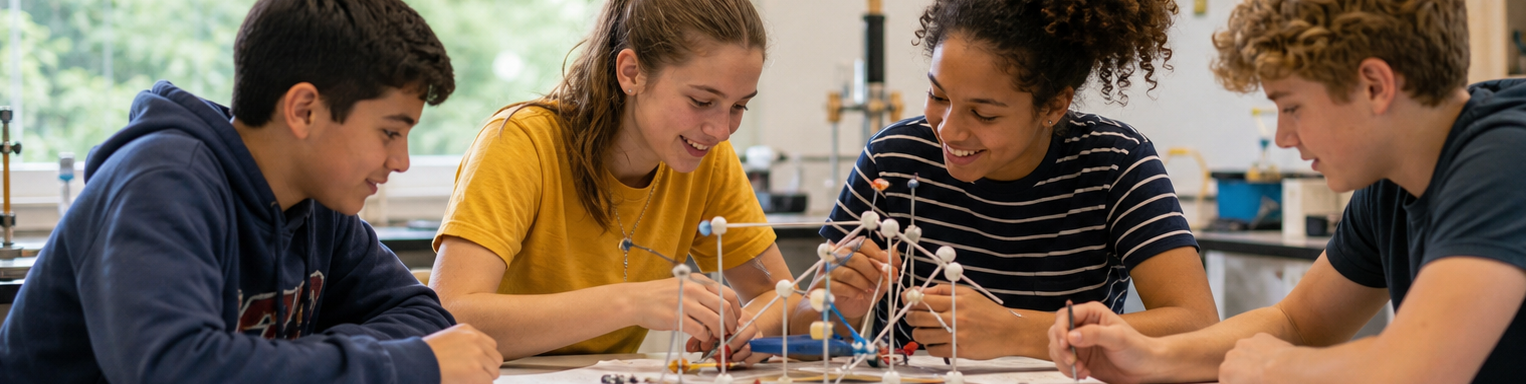
Children collaborating on a hands-on STEM projectChildren aged seven to fourteen collaborating on a creative construction project

We consider age, learning level, goals, communication style, independence, confidence and each child’s ability to access a small-group environment.

Skills beyond worksheetsTurn-taking, listening, explaining ideas, problem-solving, flexible thinking, teamwork and managing frustration.
Flexible group modelChildren may work on different individual goals through independent, guided or collaborative activities.
Individual pathwaysEvery child follows their own programme while benefiting from learning alongside others.

Independent work and collaborative projects

A FÁS NeuroLearning session may include both, chosen for a clear purpose.

Personal goals

Independent work

Personalised tasks help children practise decoding, spelling, number sense, written expression, planning, working memory and self-monitoring.

Shared challenges

Collaborative projects

Projects, hands-on challenges, learning games, visual activities and shared problem-solving build communication, flexibility, confidence and social learning.

These activities are always purposeful. Children are practising specific academic, executive function, communication or regulation skills in a meaningful context.

Let’s find the right fit

Talk to us about your child’s learning needs.

Arrange an initial consultation to discuss whether our small-group support is suitable.

Book an initial consultation